
Buying an air conditioner in India is no longer simple.
This AC Buying Guide helps you avoid common mistakes before spending ₹30,000 to ₹70,000 on a new AC. Many buyers choose the wrong tonnage, star rating, or brand and regret it after one summer.
Use this AC Buying Guide to select the right AC based on room size, electricity usage, cooling performance, and long-term reliability.
Table of Contents
Quick Recommendation: Best 1.5 Ton ACs in India (2026 Shortlist)
These are reliable models with strong cooling, efficiency, and service support.
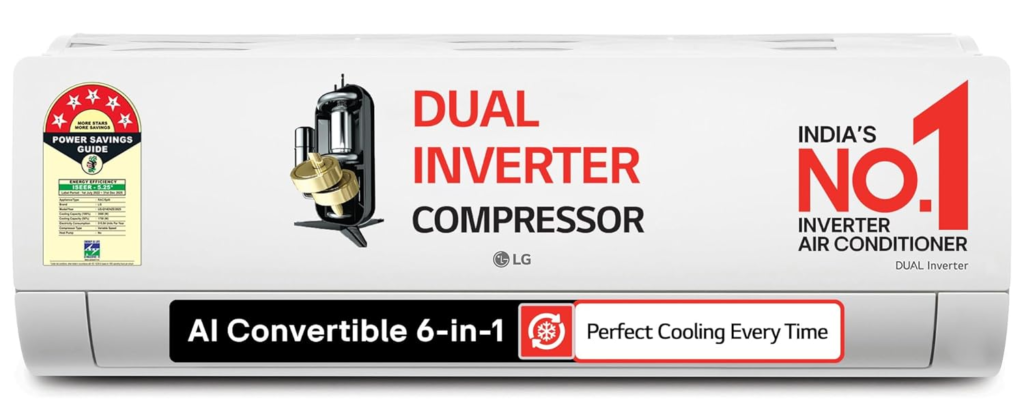
1. LG 1.5 Ton 5 Star Dual Inverter Split AC
Why this is recommended:
- Dual inverter compressor saves electricity during long usage
- 6-in-1 convertible cooling adjusts capacity automatically
- Very quiet operation (ideal for bedrooms)
- 100% copper condenser with durability coating
- Reliable LG service network across India
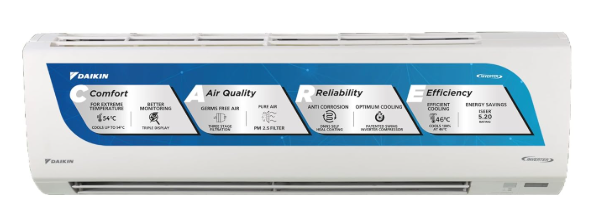
2. Daikin 1.5 Ton 5 Star Inverter Split AC
Why buyers prefer this:
- One of the highest ISEER ratings in its category
- Stable cooling even during peak summer heat
- Very reliable compressor performance
- Low noise indoor airflow
- Long-term durability reputation
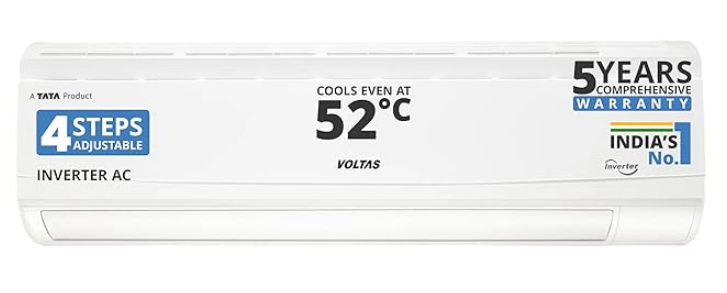
3. Voltas 1.5 Ton 5 Star Inverter Split AC
Best for Indian heat conditions:
- Works even up to 52°C outdoor temperature
- Stabilizer-free operation
- Adjustable cooling modes
- Strong warranty coverage
- Reliable for medium-size rooms
AC Buying Guide: Biggest AC Buying Mistakes in India (2026)
Avoid these and your AC will perform better for years.
AC Buying Guide: Buying Wrong AC Tonnage
One of the biggest mistakes first-time buyers make is choosing tonnage based on what neighbors or relatives purchased.
As this AC Buying Guide explains, room size, sunlight exposure, number of windows, and floor height all influence the correct AC capacity. Even a good brand cannot compensate for wrong tonnage selection.
This is the most common reason people complain about poor cooling.
Many buyers ask: Is 1.5 ton AC enough?
Correct question should be: What tonnage is right for my room size?
Room Size vs AC Capacity Table
| Room Size | Recommended AC |
|---|---|
| Up to 120 sq ft | 1 Ton |
| 120–180 sq ft | 1.5 Ton |
| 180–260 sq ft | 2 Ton |
Wrong tonnage selection affects both cooling performance and electricity consumption.
An under capacity AC runs continuously and increases electricity bills while an over capacity AC can create humidity issues and uneven cooling inside the room.
AC Buying Guide: Blindly Trusting 5 Star Rating
Star rating is helpful, but it should not be the only deciding factor. This AC Buying Guide recommends checking your daily usage pattern before choosing between 3-Star and 5-Star models.
For short usage hours, a 3-Star inverter AC can still be a practical and budget-friendly option.
Many people assume a 5 Star rating means the lowest electricity bill.
In reality performance depends on the ISEER rating usage hours room insulation and installation quality. An older 5 Star non inverter AC can sometimes consume more electricity than a modern 3 Star inverter AC.
Always compare the ISEER value instead of relying only on the star rating.
Bureau of Energy Efficiency star rating guide
AC Buying Guide: Ignoring Inverter Technology
Earlier, inverter ACs were considered premium models. Today they are becoming standard for most households.
As discussed in this AC Buying Guide, inverter compressors adjust power automatically and maintain steady room temperature, which improves comfort and reduces electricity waste over tim
Difference Table
| Feature | Inverter AC | Non-Inverter AC |
|---|---|---|
| Power usage | Lower | Higher |
| Noise | Quiet | Loud |
| Cooling stability | Smooth | Fluctuating |
| Compressor life | Longer | Shorter |
Choose a non inverter AC only if usage is less than 2 hours per day or for temporary accommodation.
For regular daily use an inverter AC is always the better choice because it provides stable cooling and better electricity efficiency.
AC Buying Guide: Falling for Marketing Terms Like Turbo Cooling
Terms like Turbo Cooling AI Cooling and Jet Mode sound impressive but are mostly marketing labels.
Actual cooling performance depends on compressor size refrigerant flow and installation quality. Turbo mode cannot fix wrong tonnage.
AC Buying Guide: Ignoring Copper Condenser Quality
This affects durability more than brand name.
Always choose a 100 percent copper condenser with anti corrosion coating. Avoid aluminium coils and mixed alloy coils because copper handles heat better and lasts longer in Indian weather conditions.
Poor Installation Kills Performance
Installation quality is something buyers usually ignore while comparing models online.
But according to this AC Buying Guide, correct pipe length, proper vacuuming, and accurate outdoor unit placement directly affect long-term performance. A good installation can improve cooling efficiency from the very first day.
Even the best AC can perform poorly with bad installation.
Installer must vacuum the air before gas release maintain proper pipe slope and ensure correct pipe length. Without proper vacuuming cooling performance drops compressor life reduces and electricity bills increase.
Overpaying for Wi-Fi Features
Reality:
Most buyers stop using AC mobile apps after 1 week.
Wi-Fi AC makes sense only if:
- smart home setup exists
- scheduling automation needed
- remote monitoring required
Otherwise invest in better compressor instead.
AC Buying Guide: Choosing Brand Instead of Model
Important truth
Every brand makes good models average models and weak models
Always check condenser type ISEER rating warranty coverage and service availability before choosing an AC model
Ignoring Service & Spare Cost
Service availability becomes important after the warranty period ends. This AC Buying Guide suggests checking whether your selected brand has an active service network in your area before purchase.
Easy service access saves both time and unexpected repair expenses later.
Typical repair costs:
| Component | Cost Range |
|---|---|
| PCB board | ₹6,000 – ₹12,000 |
| Gas refill | ₹2,500 – ₹5,000 |
| Compressor | Expensive outside warranty |
Choose brands with strong service presence in your area.
Best AC Choice Strategy (Simple Formula)
Use this checklist before buying:
- Room size correct
- Copper condenser
- ISEER high
- Inverter compressor
- Proper installation
Follow this and your AC decision will stay right for years.
Electricity Saving Tips After Buying AC
Most guides ignore this.
Follow these:
- Set temperature at 24°C
- Close curtains during afternoon
- Use ceiling fan with AC
- Clean filters every 15 days
- These steps alone reduce bill by 15–25%.
You can also use our AC Finder Tool to quickly choose the right air conditioner based on your room size and budget.
Before finalizing your purchase decision, it is always better to compare two or three shortlisted models based on tonnage, ISEER rating, condenser material, and warranty coverage.
Following this AC Buying Guide step-by-step makes the selection process much easier and more practical.
Final Verdict – Which AC Should You Buy in 2026?
If your budget allows, choose a 5-Star inverter AC from LG or Daikin for long daily usage and better efficiency. For moderate usage, a 3-Star inverter AC from Voltas or Samsung is still a practical choice.
This AC Buying Guide shows that correct tonnage, copper condenser quality, and proper installation matter more than brand name alone.